


Effective Home Renovation Planning: Your Guide to a Successful Project
Embarking on a home renovation journey is exciting but can also feel overwhelming. We all want our homes to reflect our style and meet our needs, but without a clear plan, the process can quickly become stressful and costly. That’s why effective home renovation planning is essential. It helps us stay organised, manage budgets, and ensure the final result is exactly what we envisioned.
In this post, we’ll walk through practical steps and tips to help you plan your home renovation confidently. Whether you’re updating a single room or undertaking a full home makeover, these insights will guide you every step of the way.
Why Home Renovation Planning Matters
Planning is the foundation of any successful renovation. Without it, projects can face delays, unexpected expenses, and design mishaps. When we take the time to plan thoroughly, we:
Set clear goals: Knowing what we want helps us make decisions faster.
Manage budgets effectively: Planning helps avoid overspending.
Coordinate timelines: We can schedule work to minimise disruption.
Choose the right professionals: From builders to designers, the right team makes all the difference.
Avoid costly mistakes: Thoughtful planning reduces the risk of errors.
For example, deciding early on whether you want an open-plan kitchen or additional storage can influence structural changes and costs. Without this clarity, you might face expensive revisions later.

Key Elements of Home Renovation Planning
When we dive into home renovation planning, several key elements deserve our attention:
1. Define Your Renovation Goals
Start by asking yourself what you want to achieve. Are you looking to increase space, improve functionality, or update aesthetics? Write down your priorities and rank them. This clarity will guide every decision.
2. Set a Realistic Budget
Be honest about what you can afford. Include a contingency fund of around 10-20% for unexpected costs. Research typical costs for materials and labour in your area to create a realistic budget.
3. Research and Choose Professionals
Look for reputable contractors, architects, or designers with good reviews and relevant experience. Don’t hesitate to ask for references or visit past projects.
4. Obtain Necessary Permits
Check local regulations to ensure your renovation complies with building codes. Securing permits early prevents legal issues and delays.
5. Create a Detailed Timeline
Map out each phase of the renovation, from demolition to finishing touches. Factor in lead times for materials and potential delays.
6. Plan for Living Arrangements
If the renovation affects your daily living space, consider temporary arrangements. This might mean staying with family or setting up a temporary kitchen.
By focusing on these elements, we can keep the renovation process smooth and enjoyable.
Where to Start When Planning a Home Renovation?
Starting a renovation can feel like standing at the foot of a mountain. Here’s how we can take the first steps confidently:
Assess Your Current Home
Walk through your home and note what works and what doesn’t. Take photos and measurements. This helps identify problem areas and opportunities.
Gather Inspiration
Look through magazines, websites, and social media for styles and ideas that resonate with you. Create a mood board or folder to keep your ideas organised.
Prioritise Needs vs Wants
Separate essential changes from nice-to-haves. This helps keep the project focused and within budget.
Consult with Experts Early
Even a brief consultation with a builder or designer can provide valuable insights and help refine your plans.
Start Small if Unsure
If this is your first renovation, consider starting with a smaller project. This builds confidence and experience for larger undertakings.
Taking these initial steps sets a strong foundation for the rest of the project.
Practical Tips for Smooth Home Renovation Planning
Here are some actionable recommendations to keep your renovation on track:
Communicate Clearly: Keep open lines of communication with your contractors and designers. Regular updates prevent misunderstandings.
Document Everything: Keep contracts, receipts, and plans organised. This helps resolve disputes and track expenses.
Be Flexible but Firm: Renovations often require adjustments. Stay open to suggestions but keep your core goals in mind.
Plan for Waste Disposal: Arrange for rubbish removal to keep the site clean and safe.
Consider Energy Efficiency: Incorporate sustainable materials and energy-saving features to add long-term value.
Schedule Inspections: Regularly check progress and quality to catch issues early.
By following these tips, we can reduce stress and enjoy the transformation process.
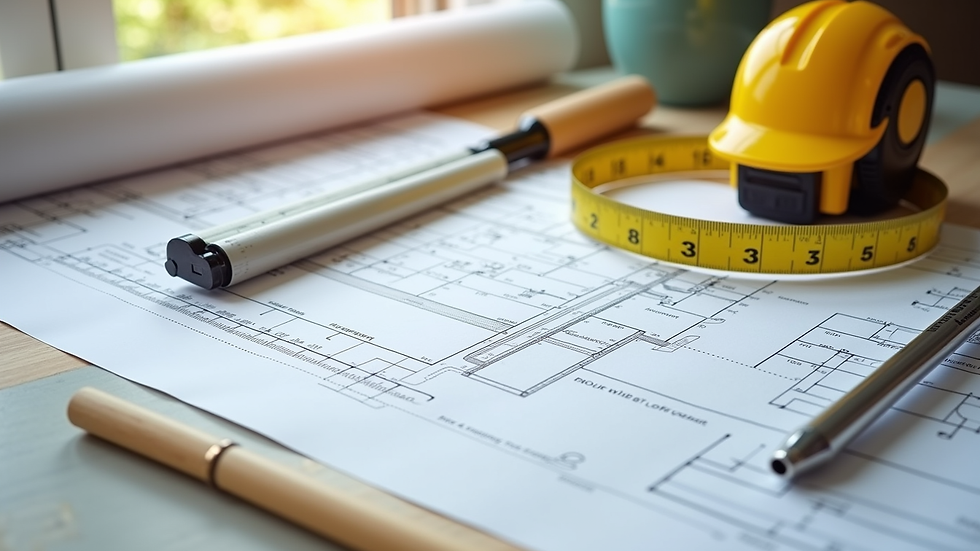
Bringing Your Vision to Life with Confidence
Effective home renovation planning is about more than just logistics - it’s about turning your vision into reality with confidence. When we understand how to plan a home renovation, we empower ourselves to make informed decisions, avoid pitfalls, and create a space that truly feels like home.
Remember, every successful renovation starts with a solid plan. Take your time, gather the right team, and stay organised. Soon enough, you’ll be enjoying the beautiful, functional home you’ve always wanted.
If you’re ready to start your renovation journey, take the first step today by exploring how to plan a home renovation and discover expert advice tailored to your needs.
Next Steps for Your Home Renovation Journey
Now that you have a clear understanding of effective home renovation planning, it’s time to put your plan into action. Reach out to trusted professionals who can guide you through the process with hands-on expertise. Remember, quality workmanship and attention to detail are key to a renovation that lasts.
Stay patient and positive throughout the project. Renovations can be challenging, but the end result is always worth it. Your dream home is within reach - let’s make it happen together!
Comments